Tesla and the Dawn of a New Age: Unveiling Optimus
Unveiling Optimus. Know all the hype about Tesla's AI robot which can make a huge change to humanity. Learn about the vision and mission of Elon Musk for the new AI robots
NEW HYPES
Arjun Vinod
10/22/20258 min read


Introduction to Tesla's Vision
Tesla has consistently maintained a forward-thinking vision that aims to reshape humanity's interaction with technology and transportation. Founded by Elon Musk and a team of innovative thinkers, Tesla has exerted significant influence on the automotive industry through the integration of cutting-edge technology and sustainable energy solutions. As the company continues to expand its technological portfolio, the introduction of the Optimus unit signals a pivotal moment in Tesla's mission to enhance productivity and quality of life for individuals across the globe.
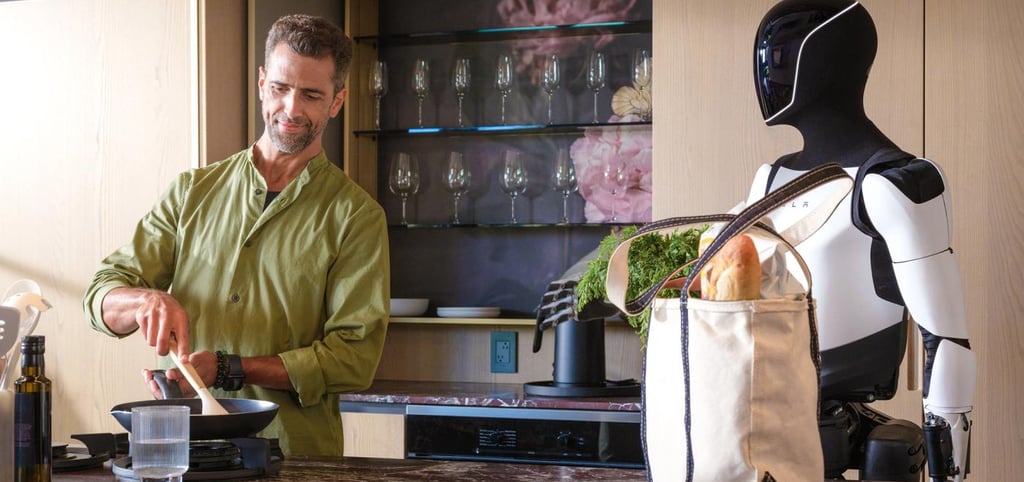
The Optimus humanoid robot is designed to perform tasks that can alleviate some of the mundane burdens faced by individuals in their daily lives. This endeavor represents more than just a technological advancement; it embodies a broader commitment to leveraging robotic innovations to improve efficiency and safety. By introducing the Optimus robot, Tesla envisions an era where humans and robots can coexist harmoniously, allowing individuals to focus on more creative and fulfilling pursuits rather than repetitive chores.
In tandem with its automotive achievements, Tesla’s proactive approach in robotics can be seen as a natural evolution of the company’s philosophy. The firm has always prioritized sustainability and foresight, which is reflected in its quest to develop solutions that will cater for the future demands of society. The Optimus project, therefore, signifies not just an expansion of Tesla's reach but also an ambitious goal of redefining human labor through automation, thereby creating an enhanced standard of living.
This introduction sets the stage for understanding how Tesla’s innovations extend beyond the vehicular domain, emphasizing a holistic vision that aims to enhance everyday life through advanced robotics. The implications of the Optimus unit are vast, potentially transforming sectors ranging from domestic services to industrial applications, thereby paving the way for a new age in human-technology interaction.
What is Optimus? Understanding the Unit
Optimus is Tesla's humanoid robot, designed to embody the company's commitment to pioneering advancements in artificial intelligence and robotics. This unit is an extension of Tesla's expertise in AI and machine learning, providing a tangible demonstration of how these technologies can revolutionize human-robot interaction and automation across various industries. Optimus is engineered with the latest advancements in robotic technology, characterized by its dexterous grasping capabilities and agile mobility. Standing approximately 5 feet 8 inches tall and weighing around 125 pounds, it is built with a lightweight yet sturdy frame allowing for a wide range of movement.
Equipped with an array of sensors, including cameras and ultrasonic sensors, Optimus is designed to perceive its environment effectively. This sensory integration enables the robot to navigate complex spaces intelligently and interact with objects, making it suitable for both domestic and industrial applications. The design incorporates the same AI technology used in Tesla's autonomous vehicles, which allows Optimus to learn from its surroundings and adapt to new tasks over time. This functionality is fundamental to Optimus, ensuring it can perform various activities, from simple household chores to sophisticated assembly line tasks in manufacturing settings.
Furthermore, Optimus is powered by a sophisticated neural network that enhances its problem-solving capabilities. The use of machine learning algorithms means the robot can improve its performance and efficiency as it gathers data from its interactions. This is pivotal for maximizing productivity while minimizing human error in various sectors. By integrating the principles of sustainability through energy-efficient operations, Optimus aligns with Tesla's broader mission of promoting a future of sustainable energy and automation. As such, Optimus not only showcases the potential of intelligent robotics but also reinforces Tesla's vision of enhancing human life through innovative technology.
The Hype Surrounding Optimus: Public Reactions and Expectations
The announcement of Tesla's Optimus robot generated substantial buzz across various social media platforms and websites. Users quickly expressed a blend of excitement and skepticism, as the integration of advanced robotics into daily life raises significant implications for society. Many social media users commented on the anticipated benefits of having a humanoid robot for assistance in tasks ranging from household chores to providing companionship. Hashtags such as #TeslaOptimus and #RobotRevolution trended, showcasing the diverse opinions and the collective curiosity surrounding the innovative technology.
Expert opinions alongside consumer reactions shaped the narrative around Optimus. Industry analysts suggested that while the technology demonstrates remarkable promise, there are inherent challenges regarding usability, safety, and ethical considerations. Some experts highlighted potential job displacement as a concern, emphasizing the need for policy measures to address the implications of deploying autonomous robots in various sectors. In contrast, others focused on the potential efficiency gains that Optimus could bring, particularly in industries where repetitive tasks dominate.
Early adopters who had the opportunity to interact with Optimus during demonstrations have also shared their experiences online. Many reported an awe-inspiring experience but noted that the robot still requires significant refinement before it can be seamlessly integrated into everyday life. Mixed feelings prevailed as attendees appreciated the advanced capabilities of Optimus while recognizing the limitations that currently exist. The balancing act between emerging technology and human adaptation remains a critical discussion point, as the public navigates the realities of having robots like Optimus as part of their daily routines.
As Tesla's advancements in robotics progress, it will be fascinating to observe how the narrative evolves. Public reactions indicate a strong interest in this technology, yet they equally reflect caution. Such mixed sentiments highlight society’s ongoing grappling with the concept of robotics transforming personal and professional environments.


Future Innovations: Optimus as Part of a Larger Shift
Tesla's introduction of Optimus, an advanced humanoid robot designed to assist in various tasks, marks a significant milestone in the company’s vision for the future. The potential for Optimus extends beyond its immediate functions; it represents a catalyst for broader technological advancements and societal transformation. As Tesla continues to develop this technology, several enhancements can be anticipated, influencing not only the automotive industry but also various sectors such as healthcare, manufacturing, and home automation.
One of the most promising avenues for Optimus lies in its ability to integrate seamlessly with other technologies. Collaborations with artificial intelligence, machine learning, and Internet of Things (IoT) devices will allow Optimus to perform tasks with increased efficiency and adaptability. For instance, imagine a scenario where Optimus collaborates with smart home devices to manage household chores, optimize energy consumption, and provide personalized living experiences. This synergy between robotics and smart technology could redefine how individuals interact with their environments.
Moreover, the implications of Optimus on daily human tasks are profound. By taking over repetitive and physically demanding jobs, Optimus could alleviate mundane responsibilities, enabling individuals to focus on creative and strategic pursuits. This shift could transform societal norms surrounding work and home life, fostering a new emphasis on work-life balance and personal fulfillment. As a result, we might witness a reconfiguration of labor markets and the emergence of new job categories that revolve around the development, maintenance, and interaction with robotic systems.
Ultimately, the advancements surrounding Optimus signal a larger shift towards automation and artificial intelligence permeating various aspects of our lives. Through ongoing innovation and integration, Tesla aims to not only enhance the capabilities of Optimus but also to shape the trajectory of societal progress in an ever-evolving technological landscape.
Conclusion: Embracing the Future with Optimus
The introduction of Tesla's Optimus represents a significant leap forward in technology, which has the potential to reshape various aspects of daily life and industry. This innovative advancement exemplifies the intersection of artificial intelligence and robotics, demonstrating how these technologies can work in harmony to enhance productivity and streamline processes. As we observe the evolution of the Optimus unit, it is crucial to strike a balance between optimism about its capabilities and caution regarding its implications.
Optimism stems from the numerous benefits that robots, like Optimus, could bring to society, including improved efficiency in manufacturing, enhanced mobility support for the elderly and disabled, and the ability to manage repetitive tasks that might otherwise pose risks to human workers. These advantages not only promise increased productivity in various sectors but also free up individuals to focus on more creative and complex endeavors. However, we must also acknowledge the potential challenges that accompany such advancements, such as job displacement and ethical considerations surrounding AI and robotics.
As we navigate this new technological landscape, the dialogue around the implications of developments like Tesla's Optimus will be essential. Stakeholders, including policymakers, businesses, and the public, must engage in open discussions to understand better the ways these technologies will impact our lives. From addressing regulatory frameworks to ensuring equitable access and deployment, collective input will be vital in shaping a future where artificial intelligence and robotics serve humanity’s best interests.
In conclusion, as we embrace the promising future that Optimus heralds, let us remain vigilant and proactive in our discussions, ensuring that the integration of such advanced technologies aligns with our ethical standards and societal values. We invite readers to engage in conversations about the potential opportunities and challenges that lie ahead as we collectively step into this new era.
Humanitarian Goals: Optimus in the Workforce
The introduction of Tesla's Optimus robot represents a significant milestone in the evolution of automation, particularly in its potential application within the workforce. Tesla aims to integrate Optimus into various labor-intensive sectors, serving not just as a technical marvel but as a vital contributor to productivity and safety. By enhancing operational efficiency, Optimus is positioned to transform traditional work dynamics, addressing both workforce shortages and the physical limitations of human labor.
In industries where manual labor is prevalent, such as manufacturing, construction, and logistics, the integration of humanoid robots like Optimus can facilitate the completion of repetitive and strenuous tasks. This development could lead to a reduced incidence of workplace injuries, as robots can undertake risky operations that may pose hazards to human workers. Furthermore, the ability of Optimus to operate in diverse environments ensures flexibility, adapting to various roles depending on situational demands.
Another significant aspect of employing Optimus in the workforce involves the enhancement of productivity. The robots can work continuously without the need for breaks, holidays, or health-related leaves. By filling gaps in labor supply and enhancing operational efficiency, Optimus could help alleviate workforce shortages that many industries face today. This shift not only promotes economic growth but also allows human workers to focus on more complex and creative tasks, fostering a more stimulating work environment.
Ultimately, Tesla's vision for Optimus extends beyond mere automation; it aims to reshape our understanding of work and automation's role within it. By redefining labor dynamics and improving workplace conditions, Optimus could play a crucial role in ensuring that technology serves humanity, promoting safety and enhancing overall efficiency in various sectors.
Ethical Considerations: The Debate on AI and Robotics
The introduction of Tesla's Optimus unit heralds a remarkable advancement in artificial intelligence (AI) and robotics; however, it also evokes a myriad of ethical concerns that merit careful examination. As AI systems become increasingly capable, the potential for job displacement emerges as a significant issue. Many industries may experience a shift where human roles are replaced by robots, leading to economic disruption and a reevaluation of workforce development. Analysts predict that sectors such as manufacturing and customer service could see substantial reductions in manpower, raising questions about the future of work and the socio-economic implications for displaced employees.
Furthermore, the advent of intelligent robots poses potential privacy risks. As AI systems like Optimus become integrated into daily life, they may collect ostensibly benign data, yet the implications of this surveillance are complex. The potential for misuse of personal information, whether by corporations or malicious actors, emphasizes the need for robust privacy protections. Establishing clear guidelines around data usage and consent is critical to maintaining consumer trust and mitigating privacy violations.
Adding to this discourse is the call for comprehensive regulations governing AI development. Experts advocate for policies that ensure AI systems are designed with ethical considerations in mind, promoting transparency and accountability. Regulatory frameworks should not only address employment and data privacy issues but also consider the broader societal impacts of autonomous technologies. It is essential for stakeholders—including technologists, policymakers, and the public—to engage in dialogue regarding the responsible integration of robotics into society.
The collaboration between AI developers and ethicists may provide pathways toward creating systems that align with human values while harnessing the benefits of technological innovation. In this manner, society may better navigate the promises and perils of robotics as we step further into an era defined by intelligent machines.